

How Much Money Can You Actually Make Recycling in Malaysia?

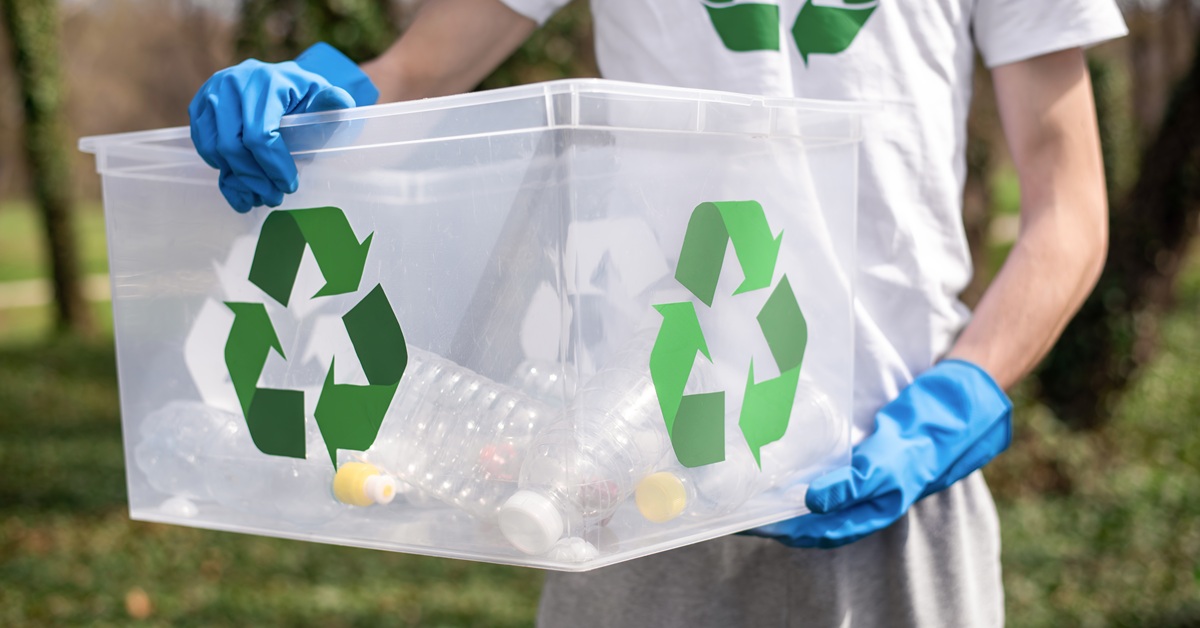
Recycling sounds like an easy side hustle. Pick up waste, sell it and make money. But in Malaysia, the reality is simpler and a bit less exciting. Yes, you can earn money recycling in Malaysia but unless you are doing it consistently or in bulk, it is closer to extra pocket money than a meaningful income stream. That does not mean it is pointless. It just means expectations need to be realistic from the start.
The short answer most people are not expecting
Recycling for money works, but only under the right conditions. If you are collecting the occasional plastic bottle or a few cans at home, the returns will be minimal. However, if you have access to larger volumes such as office waste, retail packaging or scrap materials, the numbers start to make more sense.
In other words, recycling rewards scale and consistency, not one-off effort.
Why recycling already works as a quiet side income
Recycling in Malaysia is not a new idea. It already exists as part of an informal economy. Across cities and towns, collectors, cleaning workers and small recycling agents gather materials and sell them to scrap dealers or recycling centres.
According to SWCorp Malaysia, the country’s recycling rate has been improving in recent years, yet a significant amount of recyclable waste still ends up in landfills. That gap is where the opportunity lies.
Many items that people throw away still have resale value. The key is knowing what is actually worth collecting. Materials that typically generate some income include aluminium cans, cardboard, paper, certain plastics like PET bottles and electronic waste. On the other hand, mixed plastics or contaminated waste usually have little to no value, which is why random collection rarely pays off.
How much can you earn from recycling in Malaysia
This is where most expectations fall apart. Recycling does not generate fast money. For everyday materials, returns are relatively low. Aluminium cans may fetch around RM3 to RM5 per kilogram, depending on demand and location. Plastic bottles can go for roughly RM0.50 to RM1.50 per kilogram, while cardboard often brings in even less, sometimes as low as RM0.20 per kilogram. At first glance, these numbers may not seem worth the effort. And if you are only collecting small amounts occasionally, they are not.
Where it starts to add up is when volume comes into play. Households that consistently separate recyclables can build up small but steady monthly returns. Businesses, however, are in a much stronger position. Offices, retail stores and warehouses generate significantly higher volumes of recyclable materials, which can translate into more meaningful earnings over time.
Scrap metals such as copper and aluminium are where the higher value lies. Copper, for example, can fetch RM20 or more per kilogram, making it one of the most valuable recyclable materials available.
The overlooked opportunity in e-waste
If there is one area with better earning potential, it is electronic waste or e-waste. This is why e-waste recycling in Malaysia is gaining attention, especially as more households upgrade devices regularly. Old phones, laptops, cables and household appliances contain materials such as copper and even small amounts of precious metals. According to Malaysia’s Department of Environment, the country generates hundreds of thousands of tonnes of e-waste each year, much of which is not fully recovered.
For households that regularly upgrade devices, this presents an opportunity that is often overlooked. Items such as broken electronics, unused chargers or damaged appliances can still hold resale value when sent to the right recycling channels.
That said, e-waste is not something to handle casually. It should be disposed of through licensed recycling centres to ensure proper handling and to avoid environmental risks. But done correctly, it can offer better returns compared to everyday recyclables.
Why consistency matters more than effort
One of the biggest mistakes people make is treating recycling as a one-time activity. Collecting a small batch and expecting meaningful income will almost always lead to disappointment.
Recycling works more like a habit than a hustle. The people who see returns are those who integrate it into their routine. Families that consistently separate waste, or individuals who collect materials over time, are more likely to see steady gains, even if the amounts are modest.
There is also an indirect financial benefit that is often overlooked. When households start separating waste, they tend to become more aware of what they consume. This can lead to reduced unnecessary spending and better overall money habits. In that sense, the value of recycling is not just in what you earn, but also in what you save.
Where Malaysians can actually recycle and get started easily
Several organisations and retailers have made it easier for households to recycle without going out of their way. For example, IPC Shopping Centre has a well-known recycling and buy-back centre that accepts paper, plastics, metals and even certain bulky items, making it one of the most accessible options for urban households. Beyond that, initiatives like SWCorp Malaysia support community recycling programmes and drop-off points across different states. Retailers such as AEON Group and Lotus’s have also introduced in-store recycling bins for items like plastics, paper and e-waste in selected outlets.
For electronic waste, certified collection points and periodic drives organised by the Department of Environment Malaysia ensure safer disposal while still allowing households to recover some value from old devices.
So is recycling worth it in Malaysia
Yes, but only if you look at it the right way. Recycling can generate extra income, especially when focused on high-value materials such as metals and electronic waste. However, it works best as a supplementary income source rather than a primary one.
It is not about making hundreds of ringgit overnight. It is about turning something that would otherwise be thrown away into small, consistent returns over time. And in a high cost of living environment, even small amounts can make a difference.
More importantly, recycling offers a practical combination of financial and environmental value. You are not just earning a bit of extra cash. You are also reducing waste and contributing to a system that is becoming increasingly important as Malaysia moves towards a more circular economy.