

8.44 Billion Digital Payments in 2025: How Malaysia Went Cashless

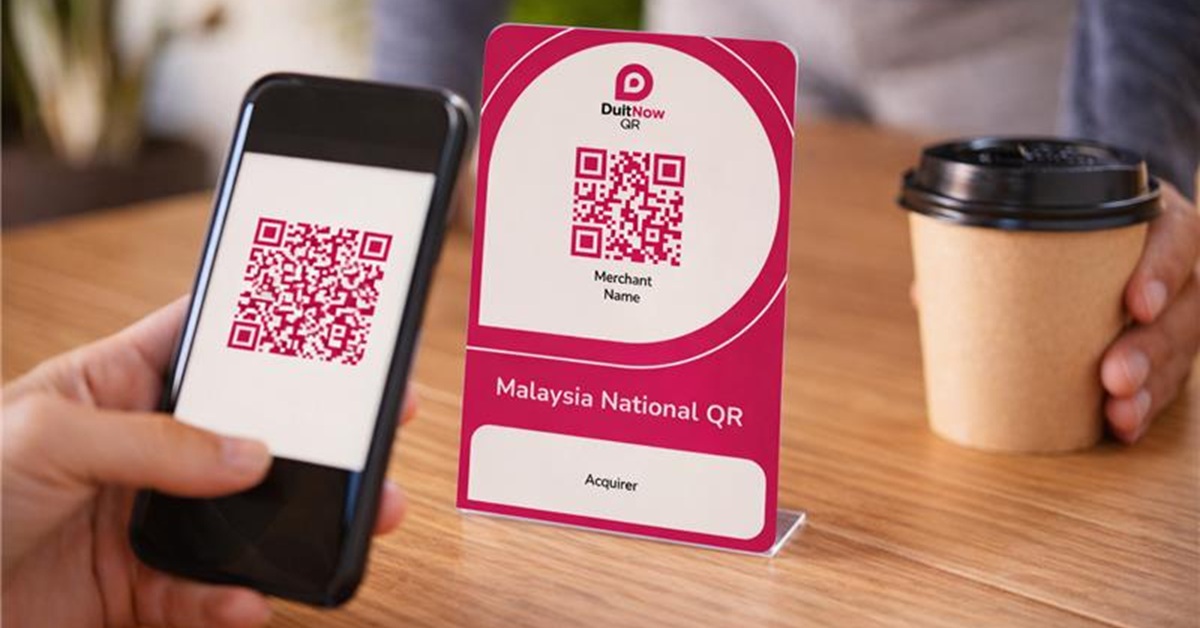
If it feels like everyone around you is scanning a QR code instead of digging for cash these days, the numbers back you up. Payments Network Malaysia (PayNet) recently revealed that it had processed 8.44 billion digital payment transactions in 2025, a figure that works out to roughly 260 transactions every second, all day, every day, for an entire year.
To put it plainly, digital payments are now Malaysia’s default way to pay.
Banks, Non-banks, And Everyone In Between
The growth wasn’t just coming from the usual suspects. Bank transaction volumes grew by 30.69% in 2025, while non-bank participants, think e-wallets and fintech players, saw transactions jump by 71.7%. Together, they added an average of 6.3 million extra transactions per day compared to 2024, with festive seasons like year-end holidays pushing volumes even higher.
“The continued growth in digital payments reflects a broader shift in how Malaysians move and manage money in their daily lives,” said Praveen Rajan, Chief Executive Officer of PayNet. “Digital payments are becoming the preferred payment method across consumers, businesses and public services.”
DuitNow QR Is Officially Everywhere
Remember when you had to hunt for a shop that accepted QR? That era is well and truly over. Malaysia added 681,250 new DuitNow QR acceptance points in 2025, including 267,780 at micro, small and medium enterprises (MSMEs), bringing the nationwide total to over three million registered touchpoints.
And interestingly, the fastest growth isn’t in KL or Penang. Non-urban transaction volumes tripled year-on-year in Terengganu, Kelantan and Kedah, a sign that the pak cik at the kampung stall is just as ready to scan a QR as anyone in Bangsar.
Programmes like PayNet Digital Campus (getting universities onboard) and Cashless Boleh (bringing digital payments into government services) helped nudge adoption along in places cash once ruled.
The Scam Problem And What’s Being Done About It
Of course, as digital payments grow, so do the people trying to exploit them. Scam tactics have become alarmingly sophisticated, now involving AI, deepfakes and increasingly convincing social engineering.
PayNet’s response is the National Fraud Portal (NFP), a centralised platform that lets banks, regulators and ecosystem partners share intel, flag mule accounts quickly, and coordinate to freeze dodgy transactions before the money disappears. In 2025, those efforts helped identify around 57,700 victim accounts, with approximately RM46 million earmarked to be returned to affected users.
Meanwhile, the plumbing itself stayed impressively stable. PayNet’s network processed an average of 260 transactions per second while maintaining 99.995% service availability, which, for the non-engineers reading, means the system was essentially always on.
“As digital payments continue to grow, trust and security will remain critical,” Praveen added. “Strengthening safeguards against scams while maintaining a resilient and accessible infrastructure will continue to be a key priority for the ecosystem.”
Your QR Code Now Works Overseas Too
Here’s the travel-friendly bit. Malaysia’s DuitNow QR now links up with Singapore, Thailand, Indonesia, China and, newly added in 2025, Cambodia, with India expected to come online in 2026. That same app you use to pay for nasi lemak can increasingly pay for pad thai, pho, or a plate of Hainanese chicken rice across the causeway.
Cross-border QR transactions grew 2.5 times in 2025 to hit 29.7 million, and PayNet is betting on even bigger numbers during Visit Malaysia 2026, especially once Indian tourists can scan and pay without swapping currencies.
For MSMEs, the upside is obvious: a roti canai stall in KL can now accept payment from a tourist in Singapore without either party touching a banknote.
The Bigger Picture
All of this sits within Bank Negara Malaysia’s Financial Sector Blueprint 2022-2026, which has long signalled where the country is heading: inclusive access, safer adoption, and a reliable national payments backbone. The 2025 numbers suggest that plan is working, Malaysians aren’t just trying digital payments, they’re defaulting to them.
For a country that, not that long ago, was mostly a cash economy, 8.44 billion transactions is quite the glow-up.