The Unfiltered Reality Of Content Creation In 2025

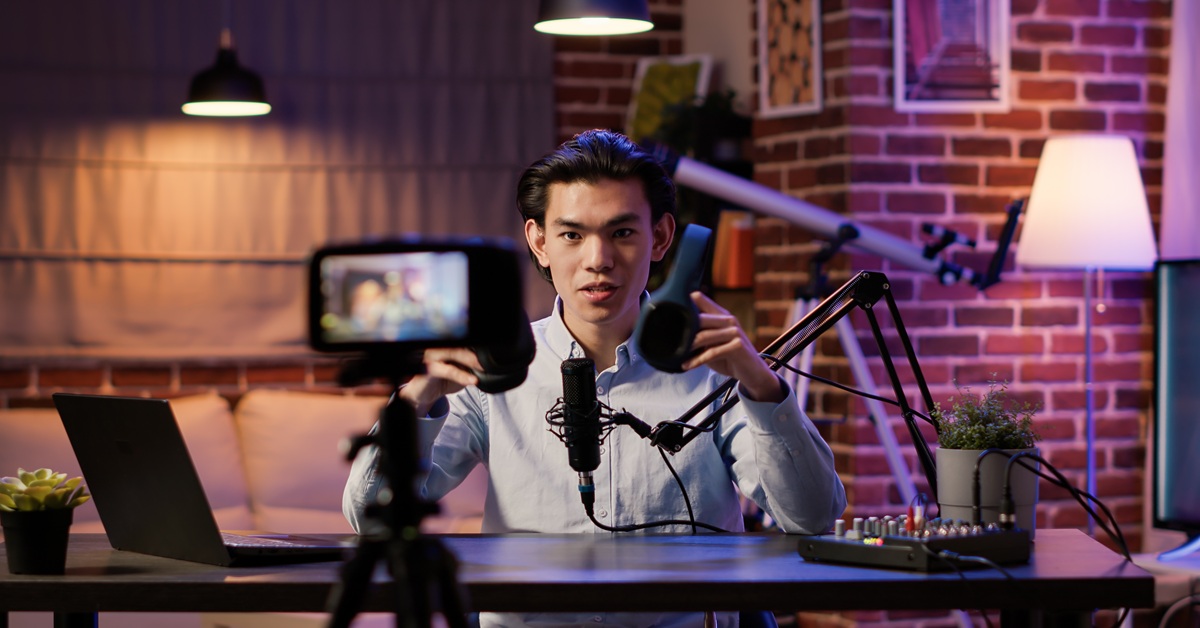
For a while, being a content creator or vlogger was the fastest way to success. Living the dream of the latest PR packages and travel sponsorships, life seems pretty set (and extremely cost-saving). To some, that’s reality. To most? Not quite.
Becoming a content creator sounds simple, and honestly, we’re all content creators of our own following. If you have a social media account and know how to edit your videos or pictures, you’re already doing it.
The hard part isn’t about posting. It’s about sustaining relevance, income and motivation in a space where everyone is doing the same thing at the same time. Going viral often takes more than luck, and not everyone gets to hit that sweet spot where the Internet instantly finds them relatable. Just like any other job, it takes time, perseverance and dedication and honestly, not everyone is cut out for it.
Scroll long enough, and you’ll see it: everyone’s doing the same thing—keeping up with the trends, sharing their tips and tricks and whatnot. The reality is, the aesthetic lifestyle influencer is quietly dying. There are just too many of the same things. An oversupply. Too polished, too pretty, too familiar.
So what’s actually working?
Useful content. Content that explains, teaches and breaks things down, and makes you pause to reflect instead of just tapping the heart button. Creators who managed to crack that code have become a rare diamond in a sea of lookalikes and similarities. They know how to explain, break things down and relate. From money and career to family and everyday life, these creators add substance. And they’re not afraid to be unapologetically themselves about it.
Of course, I still enjoy lifestyle content. But the creators who make me go, “Oh… I never thought of it that way” are the ones who inspire real-life action. And that’s where value lives.
The Saturated Market of Creators
What happens when oversupply meets declining demand? A crash. The same rule applies to content creation.
From the early 2000s to the 2010s, YouTube was booming. From travel vlogs, unboxing videos, to nonsensical ones, that’s where the birth of content creation truly began to flourish. It was a golden age where creators could grow just by showing up, and everything felt more fun, more human, and undeniably original.
Most YouTubers I know today have either left content creation for a corporate 9–5 or pushed it to the backseat, only posting videos or reels once in a while. With TikTok, this makes it all the easier for updates and edutainment content. But… this still begs the question: is becoming a full-time content creator truly better than a full-time corporate job?
Let’s break it down:
| The Pros and Cons of Being a Full-Time Creator | |
|---|---|
| Pros | Cons |
| • You get your own schedule • You can make more than a corporate job (only if you work for it) • You get the creative freedom • You get to work from anywhere, anytime (depending on your niche) |
• Inconsistent income (No work = no pay) • Longer working hours • You have to wear all the hats • Burnout is unlike any other • You have to create your own functional structure |
Once upon a time, this wasn’t even considered a viable full-time career—especially in Malaysia, where platforms like TikTok and Pinterest don’t offer creator payouts the way they do in Western countries. With the rise of CGC (creator-generated content), many creators here earn primarily through brand deals, sponsorships for content creators, affiliate marketing, and live gifts as their main income streams.
Let’s face it: Content creation and PR kits are not enough to pay the bills. A steady stream of income does. And sometimes, it’s having multiple income streams. It’s not all cameras, tweets, and viral moments. Behind the feeds and filters, it’s a business involving sales, systems and a whole lot of burnout no one talks about enough.
Content Alone Isn’t Enough
Making content is just the tip of the iceberg. Behind the scenes, there’s contract negotiation, networking, media strategy, and if you’re full-time, you’re juggling every single hat yourself.
Sure, if you don’t have monthly financial commitments, content creation alone might be worth pursuing as a full-time career. But if you’re the latter, you might want to reconsider. The full-time content creator risks, from inconsistent income to content creator burnout, are very real.
Take Logesh Kumaar as an example, a Malaysian creator who shows that keeping content creation as a secondary stream can sometimes be the smarter, more sustainable choice. His journey highlights the importance of financial stability and why a full-time corporate job can provide a stronger foundation while still allowing you to earn as a content creator.
“You know, financially the burden of providing for the family gets a bit more heavy, get a bit more difficult and challenging,” Logesh shared in a 16-minute video.
He and his wife also discussed the unpredictable nature of online income, where periods of strong brand deals were often followed by difficult stretches, which created ongoing financial strain.
Social media sells the idea that going full-time content creation means freedom, but honestly, it’s an entanglement of audience expectations, brand deadlines and unpredictable algorithms. Having a stable income doesn’t mean you’re not serious about creating. If anything, it gives you the confidence to say no to bad brand deals and more time to add value to content that you actually believe in. This stability doesn’t hold you back; it protects your creativity.
Where do we go from here?
Content creation is still a relatively new career on the job market, and compared to traditional corporate roles, it undeniably looks more colourful and enticing. But without a clear niche, standing out and earning as a content creator in an already saturated space is increasingly difficult by the day.
The era of effortless virality and aesthetic-only influence is fading, replaced by a crowded landscape where value matters more than ever. Your talent helps, but having a strategy wins. Achieving any financial freedom isn’t easy, but it’s not impossible.
This isn’t an “all or nothing” decision. If there’s anything the gig economy has taught us, it’s that we’re allowed to have more than one job. The smarter (and safer) approach lies in balance: build content with intention and value while maintaining financial stability.
Here’s something to ponder about: maybe successful content creation was never about PR packages or curated feeds, but about building something meaningful, sustainable and financially viable over time.
FAQ
Yes, content creation can be highly profitable, with the creator economy booming, but it’s not a get-rich-quick scheme; it requires consistency, strategic niche selection, and diverse income streams, as only a small percentage (around 4%) earn over $100k/year, while many struggle, making it a viable but challenging career that blends passion with business acumen.
Content creators’ earnings vary wildly, from around $100 for nano-influencers per post to millions for mega-stars, with income depending heavily on niche, platform, audience size, engagement, and monetization strategies (brand deals, ads, products).
Yes, being a content creator is inherently stressful due to constant pressure for fresh ideas, audience engagement, platform algorithm changes, managing all business aspects, and the risk of burnout from blurring work/life boundaries, leading to anxiety, depression, and mental health struggles, but strategic planning and boundary setting can help manage it.