

How Tourism Supports Local Communities

If you’ve ever seen Malaysians earnestly telling tourists not to visit Malaysia because we “live on trees” and “bathe in waterfalls,” congratulations, you’ve witnessed one of our finest inside jokes. Truth be told, none of us are entirely sure where it began. My personal theory? It gained traction after Bill O’Reilly made comments implying Malaysians were poor and struggling to eat. Instead of taking offence to that, we did what we’re great at and that’s taking sarcasm to a whole new level.
Not only were we starving, we were also living on trees and swinging on vines to visit relatives. Twin Towers and cityscapes? Probably AI. Functioning modern public transport systems? Basically folklore. What started as a clapback morphed into a full-blown performance. Expats joined in. Tourists who had already visited Malaysia piled on with mock warnings. And just like that, the bit took on a life of its own and became this oddly but wonderfully coordinated international improv skit.
And you know what, for a while, it actually worked in our favour. After all, curiosity is a powerful driver. If anything, the absurdity made people more intrigued about what Malaysia is actually like. The more we insisted we were tree-dwelling jungle people, the more outsiders were drawn to us.
But as the joke travelled beyond our own circles, something shifted. Context got lost. Not everyone online can immediately tell when we’re collectively committing to the bit. Slowly, potential visitors began asking genuine questions: “Is Malaysia safe?” “Is there proper infrastructure?” “Will I have WiFi?” A few even wondered if the country actually existed. (Case in point, classic Malaysian exaggerated humour.)
While it was all fun and games, this is where things start to get blurry. Somewhere between the punchlines and the pile-ons, I think it’s safe to say some of us even forgot it was a comedic bit. The commitment became so convincing that it began to look less like satire and more like actual gatekeeping, as if we genuinely wanted to turn tourists away. And just in case anyone is starting to wonder whether that would even be a bad thing, here’s a message for you: Yes. That would indeed be bad. Very bad in fact.
Tourism isn’t just about packed cafés or Instagrammable shots. It’s a big deal for the country. In the first eight months of 2025, Malaysia even overtook Thailand as the region’s most visited destination. The sector is clearly gaining momentum, and it brings in hundreds of billions of Ringgit and supports millions of jobs, from homestay owners to food stall operators to tour guides. In other words, tourism isn’t just traffic, it’s income for millions of Malaysians.
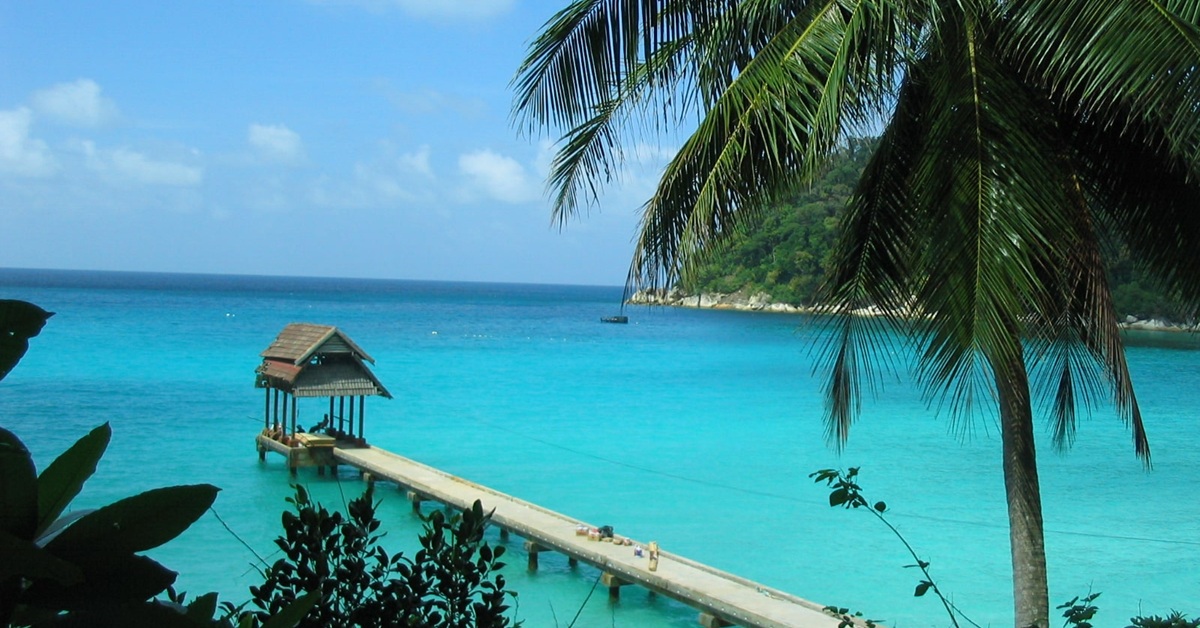
When fewer travellers make it to places like Langkawi, Pulau Perhentian, or Semporna, it’s not just a number on a report. Take a single tourist: they book a room at a homestay, eat at local eateries, hire a guide to explore the islands, take a boat tour, maybe buy a few handmade souvenirs before flying home. Each of those small decisions puts money directly into local hands. When tourists hesitate to visit Malaysia, all of those transactions disappear too. And that’s just one micro example of something that would multiply and snowball into a huge chunk of our economy.
So maybe we don’t need to scare people off quite so convincingly. The joke was funny because it was obviously absurd. But when it starts to get confusing, that’s when we know we’ve overcommitted. The truth is, Malaysians are proud of this place. The sarcasm works because we know what we actually have. We know the beaches are pristine, the dive sites are world-class, the golf courses are immaculate, and the rainforests older than most civilisations. We don’t need to oversell it, which is probably why we feel comfortable underselling it as a joke. And hey, we’re not asking you to lose the sarcasm. Just maybe don’t let it turn into a public service announcement telling the world to holiday elsewhere.