
How To Be Financially Stable While Everything Gets More Expensive

Updated: May 11, 2026
There’s a quiet kind of stress that many have been feeling lately.
It shows up in ordinary moments. Standing at the grocery checkout. Opening the electricity bill. Booking a ride home after work. Looking at your bank balance a few days before payday and wondering where the money went.
Life did not suddenly become harder overnight. That’s what makes it difficult to explain. Work continues. Income still comes in. Bills somehow get paid. But month after month, things feel tighter.
A grocery run that used to cost ₱2,500 now costs ₱4,000 with little effort. Fuel prices affect transportation, delivery costs, and eventually almost everything else. Even people who consider themselves financially responsible are starting to feel exhausted trying to keep up.
And recently, a friend asked me a question that I know many have been thinking: “How do I stay stable while everything gets more expensive?”
Inflation Feels Different When You Experience It Daily
For a long time, inflation sounded like a distant economic term discussed by analysts on television. Now it feels deeply personal.
You experience it every time you buy rice, pay for gas, order food online, or settle your Meralco bill during the summer heat. Prices rise quietly at first, then suddenly you realize your money no longer stretches the way it used to.
The difficult part is that income does not always increase at the same pace.
A person may technically be earning more than they did three years ago, but still feel more financially stressed today. That creates a frustrating emotional disconnect. You work hard, stay employed, maybe even earn better than before, yet somehow, financial breathing room keeps shrinking.
Many immediately blame themselves for this. They think they might be overspending or failing at budgeting. But the reality is more complicated than that. The cost of daily life genuinely increased.
Subscriptions that once felt harmless slowly became monthly obligations. Delivery apps have become part of everyday life. Transportation costs climbed. Eating out became more expensive. Small lifestyle habits accumulated over time until many households quietly reached a point where there was very little room left for mistakes.
And when life becomes expensive, even a small emergency can feel dangerous.

Financial Stability Looks Different Now
A few years ago, financial success online often looked glamorous. Luxury coffee. Frequent travel. Condo tours. Gadget upgrades. Shopping hauls. A lifestyle that appeared effortless and exciting.
But something has shifted recently. More Filipinos are quietly realizing that true financial peace looks much simpler than social media makes it seem.
It looks like being able to sleep at night without constantly worrying about bills. It looks like having emergency savings. It looks like avoiding panic whenever an unexpected expense arises. It looks like having enough flexibility to survive difficult months without falling deeper into debt.
In many ways, stability has become the new version of wealth. And maybe that’s not a bad thing.
Because trying to maintain appearances during difficult economic times can become emotionally exhausting. Some people are financing lifestyles they cannot comfortably sustain simply because they feel pressure to keep up online.
But looking financially successful and actually being financially secure are very different things.
The Most Important Number You Need Right Now
One of the smartest things you can do during expensive times is calculate your real monthly survival number. Not your ideal lifestyle budget. Not the version of your life you post online. Your real number.
The amount required to cover necessities, obligations, debt payments, transportation, utilities, groceries, insurance, and family support without financial chaos.
Many people avoid doing this because it feels uncomfortable. Seeing the actual numbers can trigger anxiety. But uncertainty is usually more stressful than clarity.
A person earning ₱40,000 while consistently saving part of it may actually be in a healthier position than someone earning ₱80,000 but spending nearly all of it every month.
Financial stability is not purely about income level. It’s also about sustainability.
Once you understand your real monthly needs, your decisions become clearer. You become more intentional with spending. You begin to separate genuine necessities from habits that slowly drain your cash flow. And during uncertain times, protecting cash flow matters more than impressing people.

This May Not Be the Season for Aggressive Risk-Taking
Many still want to invest, and that’s a good thing. But there’s also growing awareness that not every season is meant for aggressive financial risk.
When the economy feels unstable, protecting your financial foundation matters first. That means building emergency savings, reducing high-interest debt, and making sure you have liquidity before chasing high returns.
For this reason, many today are becoming more cautious with their money. Some are prioritizing digital bank savings, MP2 accounts, bonds, time deposits, or conservative investment options over speculative opportunities that promise fast profits.
There’s wisdom in that caution. Because investments work best when your daily life is stable enough to leave them untouched during emergencies. Without that stability, even good investments become stressful.
Budgeting Does Not Have to Feel Like Punishment
One reason many people struggle with budgeting is that they associate it with deprivation. They imagine a life where every small joy disappears. But sustainable financial adjustment is usually less dramatic than that.
It’s not necessarily about removing everything enjoyable from your life. Often, it’s about becoming more intentional.
Cooking at home more often, rather than constantly relying on delivery apps, can already create meaningful savings. Delaying unnecessary upgrades helps. Reviewing subscriptions you barely use helps. Learning to enjoy simpler routines helps too.
Some families are also making larger adjustments. They move closer to work to reduce transportation costs. They share household expenses more intentionally. They become more mindful about electricity consumption during hotter months.
The goal is not to suffer. The goal is to create a lifestyle that your income can support consistently. Because extreme budgeting tends to fail when it becomes emotionally exhausting. Financial habits only last when they still allow room for real life.

More Are Searching for Additional Income
Another major shift happening in the Philippines right now is the growing importance of side income. For many households, one income source no longer feels enough.
That’s why more people are freelancing, selling products online, creating content, offering digital services, or finding remote work opportunities. Skills that once felt like hobbies are now becoming sources of income. The internet created opportunities that previous generations never had.
But it also created new dangers. Financial pressure makes people vulnerable to scams, fake investment schemes, and unrealistic promises of fast money. During difficult economic periods, desperation can cloud judgment.
That’s why it’s important to remember that lasting financial stability is built slowly. Not through shortcuts. Not through guaranteed returns. Not through overnight success stories designed for social media.
Slow progress may not look exciting online, but it is often more sustainable in real life.
Debt Feels Heavier During Expensive Times
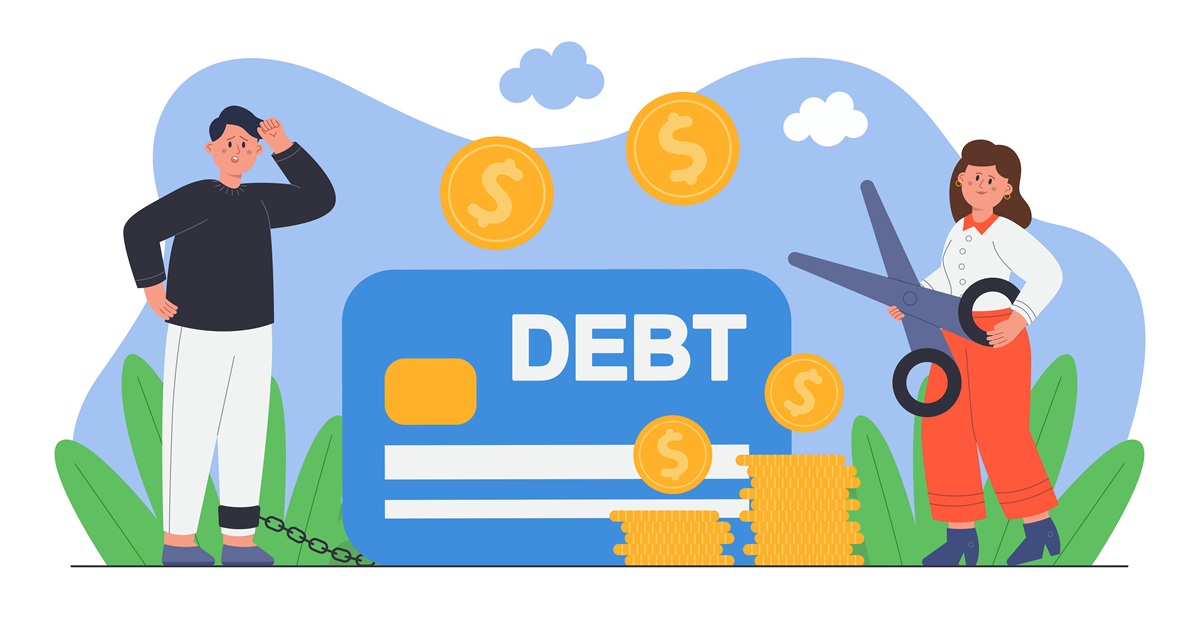
Debt becomes emotionally heavier when everything else also becomes more expensive. A credit card balance that once seemed manageable suddenly feels overwhelming because groceries, transportation, and utilities already consume a larger portion of income.
This creates what many Filipinos describe as a cycle where salary enters the account only to disappear immediately into bills and payments.
When dealing with debt, avoidance usually makes the stress worse. Facing the numbers honestly matters. Prioritizing high-interest obligations matters. Reducing dependence on lending apps matters too.
More importantly, people need to stop attaching shame to financial difficulty. A lot of financially responsible Filipinos are struggling right now, not because they are reckless, but because the cost of living genuinely became harder to manage.

Emergency Funds and Protection Matter More Than Ever
One of the clearest lessons Filipinos learned in recent years is that emergencies are not rare events. They are normal parts of life. A hospitalization, job loss, family emergency, or unexpected expense can disrupt years of careful financial planning.
That’s why emergency funds matter so much. Even starting small matters. Saving consistently, even in modest amounts, creates resilience over time.
Healthcare protection also becomes more important during uncertain periods. Many families only realize the importance of insurance or HMO coverage after experiencing a medical emergency firsthand.
In the Philippines, one major hospitalization can wipe out years of savings. That reality alone explains why more people are becoming serious about financial protection instead of viewing it as an optional expense.
Financial Stress Is Emotional Too
Money problems affect more than bank accounts. They affect sleep. Confidence. Relationships. Mental health.
Financial stress can create guilt, shame, exhaustion, and constant anxiety about the future. And social media often intensifies those feelings because everyone else seems to be thriving publicly while you are privately trying to stay afloat.
But social media rarely shows the full picture. People post about vacations, purchases, and achievements far more often than they do about financial struggles, debt pressure, or sleepless nights.
So if you feel financially stretched right now, it does not automatically mean you are failing. In fact, surviving difficult economic seasons while moving forward requires resilience that deserves more recognition.

Stability Is Still Possible
The economy may remain uncertain for some time. Prices may continue rising. Financial pressure may still be part of daily life for many Filipino families. But stability is still possible.
Not through perfection. Not through pretending everything is fine. Not through instant wealth. But through small, consistent decisions repeated over time.
Living within your means. Building savings gradually. Avoiding destructive debt. Increasing income carefully. Protecting your health. Becoming more intentional with spending.
Those habits may not look glamorous online, but they build something much more valuable: peace of mind. And in today’s world, that kind of peace is already a powerful form of wealth.
Final Thoughts
Financial stability today is less about becoming rich quickly and more about becoming resilient during expensive times. Rising costs are affecting even disciplined earners, which means we need to stop blaming ourselves for feeling financially stretched.
The most important financial goal today is sustainability. Knowing your real monthly needs, protecting cash flow, avoiding unnecessary debt, building emergency savings, and increasing income carefully can create long-term stability even during uncertain economic conditions.
Most importantly, remember that progress does not have to be dramatic to matter. Small, consistent financial decisions still create meaningful change over time.
What to do next: Click here to start your financial journey with IMG Wealth Academy